



Website Image SEO It is considered one of the very important topics in WordPress and custom websites and is a very simple task. You just need to take the steps in this educational article seriously.
In general, images, infographics, photo captions, elements, motion or flat graphic elements, and videos are all among the most important parameters of Website Content SEO including product content, articles, and other website items. By precisely implementing SEO and optimized images, your site will appear more attractive and trustworthy from both the user's perspective and Google's algorithms. In this article, Real robot the method of optimizing and SEOing website images has been taught.
آنچه در این مقاله میخوانید
Website Image SEO Actions
Image SEO refers to the practice of optimizing your images for search engines through accurate and standard alt text, appropriate captions, good file dimensions, and more.
Firstly, website images provide important contextual information to search engines. Secondly, optimized images increase page loading speed, which leads to increased user engagement and search engine rankings.
Images or photos on different pages of a website help you to have a better position in Google Images or the Google image search results section.
For this reason, it is recommended that you spend as much time on graphic and visual elements and be creative as you do on the quality of the textual content of your website's articles and products.
For example, suppose the title and topic of your blog article are about a specific disease. By using tables, statistics, charts, and other data, you can Infographic design your brand's unique infographic and publish it in the content of the website's articles. Start now.
Online Website Image SEO Tools
- Affinity Photo
- Pixlr (JPEG optimization)
- ImageOptim (Mac only)
- Kraken (bulk compression)
- Gimp
- Paint.NET
- JPEG Mini
- OptiPNG
- FileOptimizer
- Trimage
پیشنهاد مقاله: آموزش ساخت اینفوگرافیک در 7 مرحله!
چرا باید بهینه سازی تصاویر سایت را جدی بگیریم؟
To give your brand the best chance for SEO success, you need to know the principles of image optimization. Website image SEO is the process of creating and presenting high-quality images in the ideal format, size, and resolution to increase user engagement. It also involves accurately tagging images so that search engine crawlers can read them and understand the page's context.
According to the HTTP Archive, images accounted for an average of 21% of the total density of a web page by November 2020.
Since images consume more bytes than any other part of a website, their size and complexity severely impact site performance.
If you reduce image sizes without compromising quality, page load times improve, and consequently, the website visitors' experience also improves.
A famous group study shows that a one-second delay in load time is equivalent to 7% reduction in conversion rate and about 40% of people abandon a website that takes more than three seconds to load.
Improving user experience and engagement with your site has a positive impact on search engine rankings, which further improves customer interaction, conversion, and retention. Additionally, when optimized images occupy less storage space on your server, backing up the site is completed faster.
9 Steps for Website Image SEO
1. Resize Your Images
Image size and file size are not the same. Image size refers to the dimensions of an image (e.g., 1024 x 680 pixels). File size is the amount of space required to store it on the server (e.g., 350 KB).
Higher resolution and larger dimension images (often created with a professional camera) significantly slow down your page load time. While they work well for print reproduction, you need to reduce the file size without losing too much quality so they can perform well on the web.
Choose the Right File Format
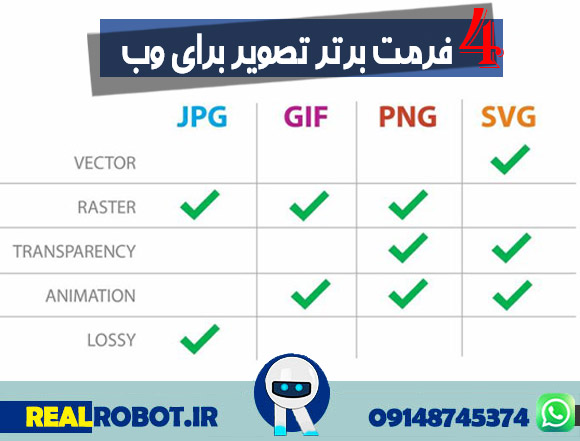
PNG, JPEG, and GIF are all popular. Each has its advantages. As a friend, we recommend JPEG for images with many colors and PNG for simple images.
Choose the Right Compression Rate
If you over-compress an image, the file size is small, but the image quality is low. On the other hand, when you use a low compression rate, the image quality is high, but the file size is very large.
Ideally, you should test your file types and compression rates to see what works best for each image. Many image editing tools, including Adobe Photoshop, have a “Save for Web” or “Save for web” option that automatically minimizes file size while optimizing image quality.
If you don't have access to Photoshop, here are some popular online tools:
WordPress Plugins for Image Optimization

Test Image Optimization and Site Speed
توصیه شده: تست سرعت سایت با GTmetrix
از آنجایی که وب سایت و محتوای شما مرتباً تغییر می کند، ایده خوبی است که در طول زمان به بررسی آمار خود ادامه دهید.
2. نام فایل های تصویری را بهینه کنید
انتخاب اسم فایل مناسب برای سئوی صفحه سایت و رتبه بندی در نتایج جستجوی تصویر مهم است. قبل از آپلود هر تصویر، فایل را با کلمات کلیدی مرتبط و توصیفی نامگذاری کنید تا بیشترین قدرت سئو را داشته باشید.
کلمات کلیدی مورد نظر را در ابتدا قرار دهید و آنها را با خط فاصله جدا کنید. از زیرخط استفاده نکنید زیرا موتورهای جستجو آنها را نمی شناسند و نمی توانند کلمات را به صورت جداگانه “دیدن” کنند.
نام فایل ها باید هم برای موتورهای جستجو و هم برای انسان ها معنی داشته باشد. به عنوان مثال، نام اصلی تصویر یک زن در یک آرایشگاه “salon234.jpg” است. نام آن را با یک عنوان واضح و توصیفی تر مانند “زن-دارای-مشکل-مو-در-یک-سالن.jpg” تغییر دهید.
3. از تگ alt استفاده کنید
بینندگان ممکن است متوجه شوند که یک تصویر در مورد چیست، اما عنکبوت های موتورهای جستجو هنوز به سرنخ هایی نیاز دارند. بدون متن جایگزین، برای موتورهای جستجو غیرممکن است که محتوای تصویر شما را به دقت فهرست کنند. یک تگ alt provides good context and also helps visually impaired users. Even when images fail to load due to an issue, search engines can still alt text read to help rank a page. Brand-related keywords can be included here to increase visibility. Just avoid keyword stuffing.

Provide more detail than what you entered in the file name. While there is no ideal number of words, aim for 10-15 to convey something about the image.
4. Optimize the image title
If you're using WordPress, the image title is usually taken from the file name, so sometimes you can leave it as is. If you're not using WordPress or the title doesn't describe the image, rename it with appropriate keywords, similar to file names.
Image titles are less important for SEO, but they can provide additional context for alt text.
Image titles are more useful in terms of user interaction. Consider adding a Call To Action like «Shop Now» or «Download Today».
5. Add captions
“Image captions—words placed directly below images” may not have a direct impact on SEO, but unlike file names and alt text, captions are visible on the website page.
For this reason, they can add to the user experience.
Most people are drawn to image descriptions to get a feel for the overall content. Without image descriptions, 13. bounce rate your can increase and harm your credibility with search engines.
6. Use unique images
Using stock photos is fine, but they don't necessarily help your search ranking because other websites often use similar images. Just as unique written content is better for SEO, it's a good idea to upload unique images whenever possible.
7. مطمئن شوید که متن شما مکمل تصاویر است
کپی روی صفحه می تواند به موتورهای جستجو کمک کند تا ارتباط تصاویر شما را تعیین کنند. اگر شامل اطلاعات کافی برای توضیح تصویر نیست، متن مرتبط بیشتری اضافه کنید و در صورت امکان تصویر را توصیف کنید.
8. داده های ساختار یافته تصویر را اضافه کنید
افزودن داده های ساختاریافته به صفحات شما به موتورهای جستجو کمک می کند تصاویر شما را به عنوان نتایج غنی نمایش دهند.
Google Images از داده های ساخت یافته برای تصاویر محصول، ویدیوها و دستور العمل ها پشتیبانی می کند. به عنوان مثال، اگر در سایت خود دستور العمل هایی دارید و داده های ساختار یافته را به تصاویر خود اضافه می کنید، Google می تواند نشانی به تصویر شما اضافه کند که نشان می دهد متعلق به یک دستور غذا است.
از دستورالعملهای عمومی دادههای ساختاریافته Google استفاده کنید تا یاد بگیرید چگونه دادههای ساختاریافته را در پارامترهای موتور جستجو به صفحات خود اضافه کنید.

9. از سایت مپ استفاده کنید
به گفته گوگل، نقشه سایت یا سایت مپ فایلی است که در آن می توانید صفحات وب سایت خود را فهرست کنید تا به گوگل و سایر موتورهای جستجو در مورد سازماندهی محتوای سایت خود بگویید. به عبارت دیگر، فایلی است که حاوی نقشه محتوای سایت شما است. نقشه های سایت بخش مهمی از سئو سایت هستند زیرا به موتورهای جستجو درباره تمام صفحات سایت شما می گویند. برای اطمینان از اینکه خزندههای موتورهای جستجو متوجه هر تصویر اینفوگرافیک، میم (MEMES)، عکس، تصویر کوچک ویدیویی و غیره میشوند” آنها را در نقشه سایت خود قرار دهید.
برای این ورودیهای نقشه تصویر، عنوان، توضیحات، مکان URL، عنوان و اطلاعات مجوز را وارد کنید. برای ورودی های ویدیو، عنوان، توضیحات، مکان URL، URL تصویر کوچک و URL فایل ویدئویی خام را درج کنید.
اگر وب سایت شما بر روی Wordpress میزبانی می شود، می توانید از Yoast SEO یا رنک مث استفاده کنید که به طور خودکار محتوای بصری شما را به نقشه سایت اضافه می کند.
همچنین بخوانید : امکانات افزونه رنک مث سئو
final word
اگر در تلاش برای جلب توجه محتوای خود هستید، قبل از بارگذاری هر تصویری، این استراتژی ها را در ذهن داشته باشید. این تکنیکهای بهینهسازی تصویر، دوستداشتنی محتوای شما را هم توسط موتورهای جستجو و هم برای کاربران انسانی بهبود میبخشد.
لطفاً توجه داشته باشید:
همه ابزارهای موجود در پستهای وبلاگ ما توسط نویسندگان پیشنهاد شدهاند، نه تیم تحریریه CMI.
هیچ مقاله ای نمی تواند همه ابزارهای مرتبط را در یک محتوا معرفی کند.
شما هم می توانید ابزارهای سئو تصاویر سایت و سایر ابزارهای مرتبط با مقالات Real robot را در بخش دیدگاه ها (چه محصولات و افزونه های شرکت خود یا چه مواردی که استفاده کرده اید) معرفی کنید.

عالی و بینظیر بود ممنونم
ممنون بابت مقاله 🌹🌹